

Understanding the psychological triggers behind gambling habits
The allure of risk-taking
The psychology of gambling often revolves around the thrill of risk-taking. For many individuals, the potential for big wins can create an adrenaline rush akin to that experienced in extreme sports. This excitement can overshadow the rational understanding of the odds, leading individuals to engage in gambling activities with heightened enthusiasm. Moreover, our comprehensive guide offers insights into the best non gamstop casinos, highlighting their generous bonuses and extensive game libraries, making their options even more appealing. The allure of risk is not just about monetary gain; it taps into deeper psychological needs for excitement and achievement.

Moreover, the anticipation of a win can trigger the brain’s reward system, releasing dopamine, a neurotransmitter associated with pleasure. This chemical reaction reinforces the behavior, making the gambler more likely to return for more, despite the risks involved. Understanding this psychological trigger helps explain why gambling can become addictive over time, as the cycle of anticipation and reward continues to stimulate the brain.
The role of social influences
Social dynamics play a significant role in shaping gambling habits. Whether through peer pressure or a shared enthusiasm for gaming, individuals often find themselves participating in gambling activities due to the influence of friends or family. This social aspect can create a sense of belonging and validation, further driving individuals to engage in gambling, sometimes beyond their initial intentions.
Additionally, the rise of online gambling communities has amplified these social influences. Gamblers can now connect with others globally, sharing experiences and strategies. This connectivity can reinforce gambling behavior, as individuals are exposed to constant discussions about wins, losses, and strategies, making it easier to develop a gambling habit rooted in social interaction.
Escapism and emotional triggers
For many, gambling serves as a form of escapism from everyday stressors and emotional challenges. When faced with difficult situations, individuals may turn to gambling as a distraction, seeking relief from anxiety, depression, or other emotional burdens. This escape can provide a temporary sense of control or relief, even if it ultimately leads to more significant issues.
The emotional highs associated with gambling, such as winning or even the thrill of a close loss, can create a cycle of behavior where individuals continuously chase that next high. This emotional trigger can lead to compulsive gambling, where the individual feels compelled to gamble despite negative consequences. Recognizing these emotional triggers is crucial for understanding gambling habits and addressing potential addictions.
The impact of technology on gambling behavior
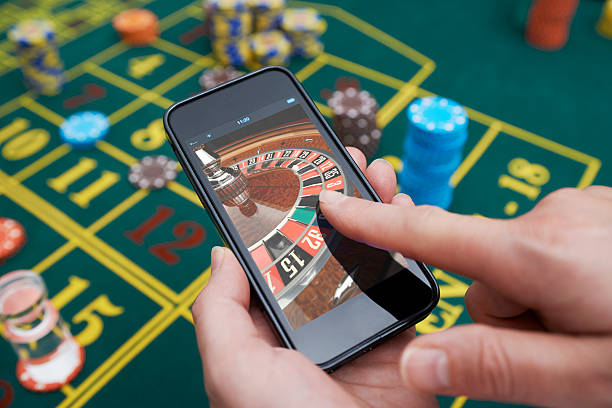
Technology has revolutionized the gambling landscape, making it more accessible and appealing than ever. Online platforms offer users the convenience of gambling from home, eliminating the need for travel to physical casinos. This accessibility can lead to increased gambling frequency and intensity, as individuals can place bets at any time, often without considering their financial limits.
Furthermore, technology has introduced innovative features such as live betting and mobile apps, enhancing the overall gambling experience. These advancements provide instant gratification and immediate access to games, further blurring the lines between casual play and compulsive gambling. As technology continues to evolve, understanding its psychological impact on gambling habits becomes increasingly vital for both players and those seeking to support them.


Expert insights for responsible gambling
Understanding the psychological triggers behind gambling habits can empower individuals to make informed choices. By recognizing the emotional, social, and technological influences on their behavior, gamblers can develop strategies to manage their gaming habits responsibly. Awareness of these triggers is the first step toward ensuring that gambling remains a source of entertainment rather than a path to addiction.
For those seeking a safe gambling environment, exploring alternative options and resources is essential. Websites that provide information and support can guide individuals in making healthy choices, ensuring that gambling activities remain enjoyable and controlled. In an era where technology significantly impacts our lives, being proactive about one’s gambling habits is crucial for long-term well-being.